On Sundays, I wander. Truth is, I wander most days. My colleagues and students see me in the halls, going no place in particular. When I attend baseball games in the spring, I do not take a seat in the stands, but pace, eyes focused on some part of the game, feet constantly moving. And yet, I have read 600-page novels in a sitting and watched Lawrence of Arabia in the theater, begrudging the roadshow intermission—and delighting in Maurice Jarre’s intermezzo.
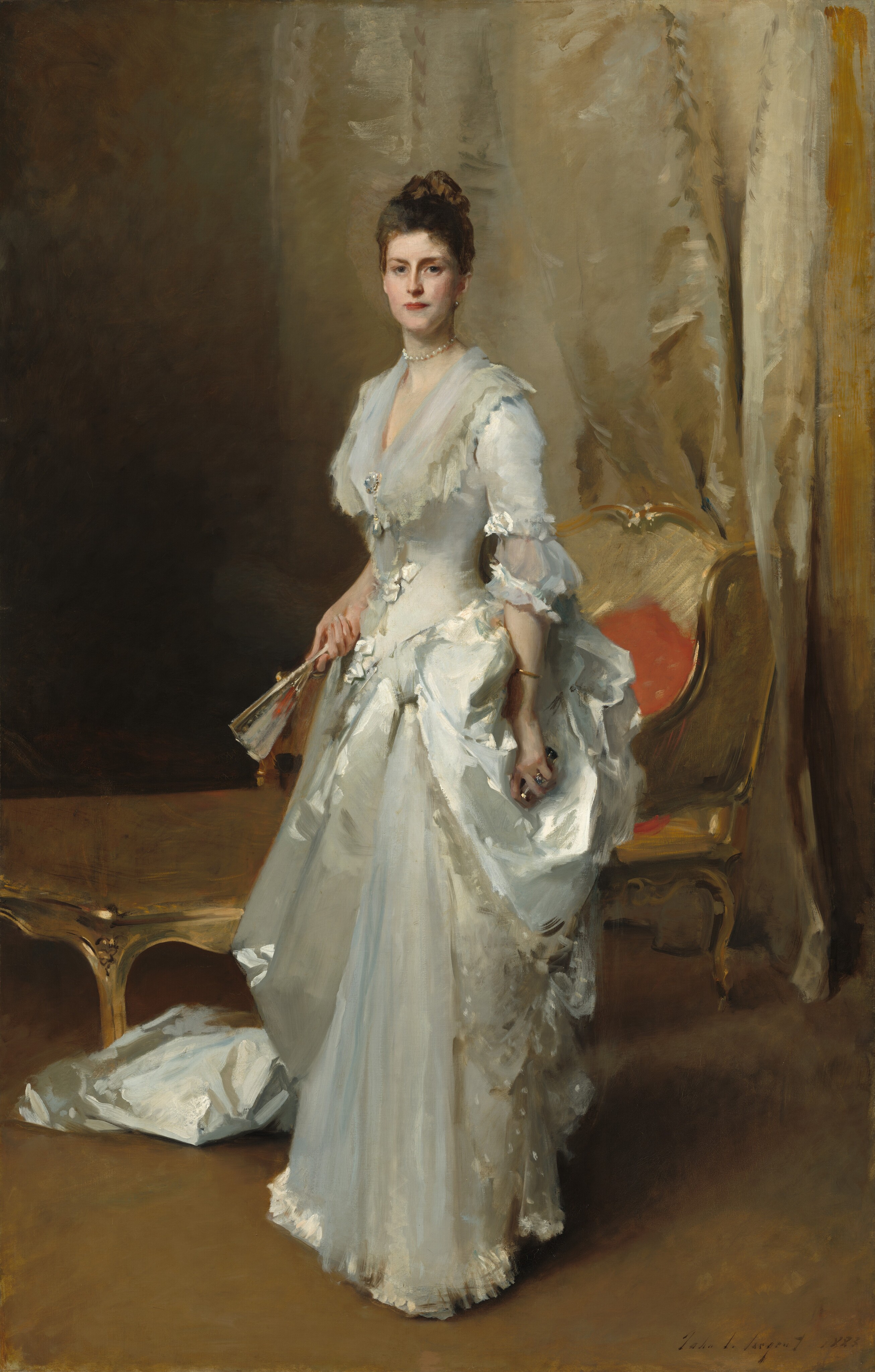
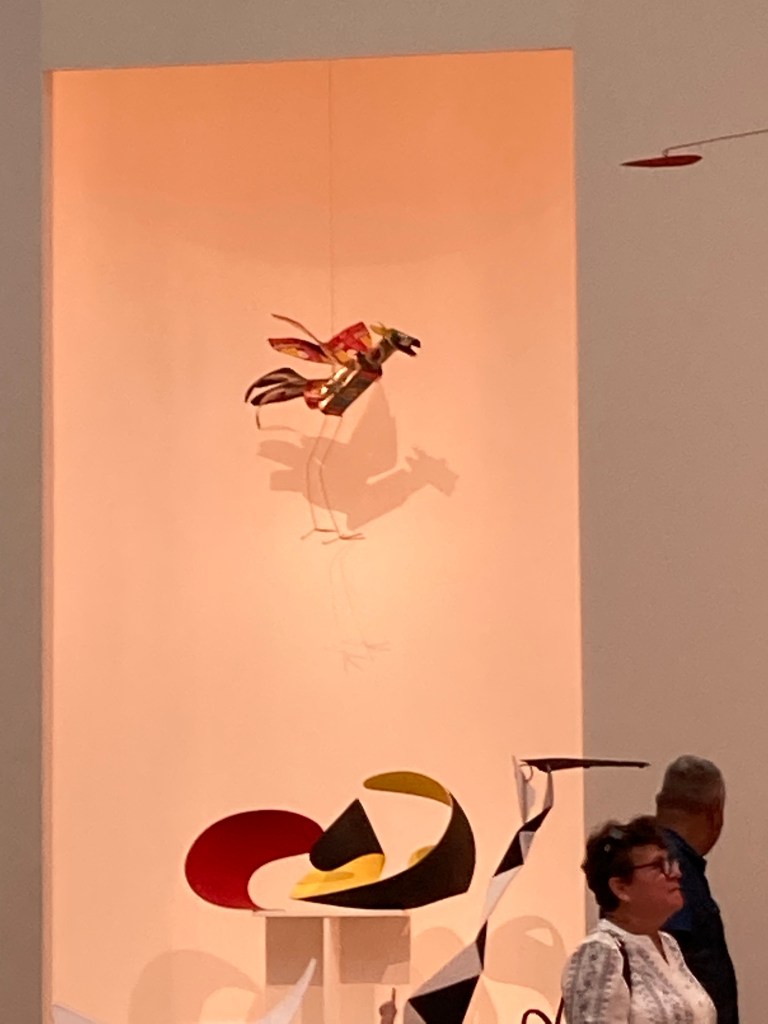
I wander because my mind wanders. A problematic admission for a novelist. Yes, there are touchpoints in each of my Sunday rambles. Monet’s Houses of Parliament, Sunset, the Calder Room in the East Building of the National Gallery, Dosso Dossi’s Circe and her Lovers in a Landscape, all the Dewing at the Freer, all the Sargent everywhere, when the space is open at the Smithsonian American Art Museum, Butterfield’s Monekana, Thayer’s Stevenson Memorial. But my attention is drawn elsewhere. A piece of blue tape on the bottom of the pedestal supporting Houdon’s Diana. All the other Dianas. Ingres’s Madame Moitessier. A man sporting a yellow “YINZ” emblazoned on a black t-shirt (Okay, “gold”). An older man walks gingerly with a cane—his halting, carousel-like step revealing that one leg is three inches shorter than the other. A woman who is too beautiful for her date. Wait, am I her date? Is it today?

Wait. It’s not her date; he’s her husband, and they hold hands as they walk through the galleries. Definitely not me. And definitely today. Again.

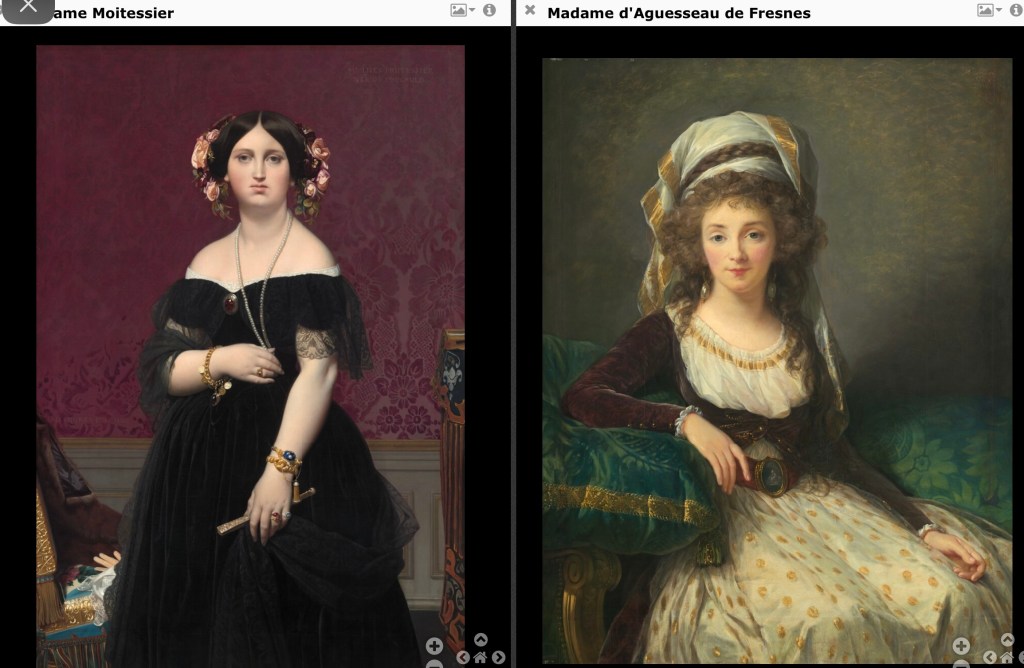
As I make my way to the stairs that rise in the National Gallery’s East Building tower, I note that Edward Hopper’s Ground Swell is lovely, but who sails parallel to the swell? We sail through or across, never with. Pattern eclipses subject. Same with Ingres’s Madame Moitessier. She stands in front of a wall adorned with patterned red wallpaper. It turns her into part of the pattern. Compare this with Élisabeth-Louise Vigée Le Brun’s Madame d’Aguesseau de Fresnes hanging in the same room. Madame d’Aguesseau de Fresnes is the subject and the background Élisabeth-Louise Vigée Le Brun gave her is tantamount to a brown tarp. What matters to the artist is the woman, her dress, and her hat. Of course, these, too, are part of a pattern. What isn’t? But Ingres makes it obvious: there is no escape from pattern.
My Sundays—all my days—have a pattern. On Sundays: Coffee, almond croissant, Freer/Sackler, National Gallery, lunch, Smithsonian American, and then home. Some days I add the Hirshhorn. Within each museum, I have a particular path. But I diverge. Today I skipped the Flemish paintings and headed downstairs to walk past Louis Maurice Boutet de Monvel’s Joan of Arc series. Just a glimpse. I recalled when I walked through the galleries almost too distracted to pay attention to Daumier’s heads. Almost.
And even if I did take the exact same route, the people around me would be different. Today, a man broke into impromptu yoga in front of Katharina Fritsch’s Hahn/ Cock. On the cement. In the Courtyard Café, a woman at a neighboring table talked about workers complaining about having to go back to the office. “With teachers back in classrooms, it’s hard to argue,” she said. “But teachers knew what they were getting into.” People change everything.
The secret is that even if I took precisely the same route—if the coffee was just as hot, if the croissant was just as flaky, and if the day were as perfect for jeans and a flannel shirt as today was, all the guards standing in the same places—it would still be different because I am different. Whatever has happened during the week, whoever I met, whatever words I put on the page, all these things and more changed me.
Twenty years ago, I stood up in Quaker Meeting at the opening meeting of my old school and praised the opportunity for change. In my hubris—I was 40, I thought I knew better—I called it “the blessing of change.” I had moved to Baltimore and started a career that would sustain me for 20 years. And then a series of unwelcome changes began: my mother got cancer; my relationship ended; my father died. The annus horribilis. Oh, so you like change? Here it comes.
Maybe because my life has taken enough (one can be enough, but who keeps track?) turns (expected, unexpected, this makes no difference), I feel ready to make a few proclamations. At the very least, I proclaim for me, but like Whitman (“And what I assume you shall assume,/ For every atom belonging to me as good belongs to you”), I proclaim for you.
Wander.
I recognize that in our self-driven culture, we value inward focus. I had a minister who emphasized, ala Jack Palance in City Slickers, “one thing.” On a more profound level, this impulse is driven by thinkers like Buddha or Henry David Thoreau. As for the Buddha, I have (not authoritatively) commented on suffering. Here in the United States, we celebrate Thoreau without knowing him. We acknowledge and follow his desire “to live deliberately, to front only the essential facts of life, and see if I could not learn what it had to teach, and not, when I came to die, discover that I had not lived.” But we forget that he “left the woods for as good a reason as I went there. Perhaps it seemed to me that I had several more lives to live, and could not spare any more time for that one. It is remarkable how easily and insensibly we fall into a particular route, and make a beaten track for ourselves .” Two years is enough. More lives wait.
Pattern and habit are as intractable as gravity, and this is not always a bad thing. If I was ever put in charge of a Creative Writing curriculum, I would insist on teaching the creation and maintenance of habit. What about artistic standards? Figure out what you need to do in any circumstance—in every place and weather—to keep a daily writing habit, and then worry about quality. Develop a practice that will survive against the “slings and arrows”; they are coming. The routine will help you improve. Words (writing and reading and listening) beget better words. Repetition begets mastery.
Except when it doesn’t. The rest of the time, habits get in the way. Habits become ruts. While a good groove can speed one on their way, how many times does expedience swallow excellence? Other than races, speed is overrated. And yes, this is the novelist talking. Endurance counts. There will be sprints along the way, but this is an ultra-ultra marathon.
Let me extend the sports metaphor one step further. We do not improve based on our intuition; we need a coach to help us succeed. Once upon a time, I was a recently separated father, and I researched how other recently split families managed the transition. I bought books. A friend teased me, “Don’t be silly. You know what to do.” Except, I didn’t. I did not know a thing about managing a split household—let alone a married household, but that’s another story.
In Stumbling on Happiness, Daniel Gilbert concludes that our lives are not all that unique; no matter how much we protest, “No one knows how I feel!” If you want to know whether something will make you happy—divorce or infertility regimens, for instance—ask someone else who has done it. “How did you feel when you divorced your spouse? How did your kids feel?” “How did it feel going through infertility treatments for a year?” Nobody has lived your exact life, but experiences start with incredibly similar foundations.
Intuition is an illusion. We do what we did yesterday, and we do it for a reason. “Wash, rinse, repeat” isn’t just a cheeky mantra. The brain loves to predict and then demands that we adhere tightly to its predictions. When we don’t, the brain sends error messages to our bodies, triggering all sorts of responses, most of which are angled to get us back on track—back into the predictable rut. We only learn when we err. Modern psychobiology is for the feint of head.
Wandering helps trick the brain. Surprises, collisions, and near misses open gaps in the “I-already-know-that” mental processes that keep us on course. “I-did-not-know-that” is the gold. Even if you look inward, if you want to learn yourself, then you will need to make yourself strange and surprising. You will need to interrupt the predicting mechanisms that perpetuate a kind of mental and emotional homeostasis.
Let me revise. I wander because my mind does not wander enough. The brain cannot; that is not how it evolved, not how it works. I seek out error messages—“This is not what I predicted”—lots of little ones to jostle the mechanism as gently as possible. Gently does not always do the trick—at least not if I am going to write.
Look, most people do not write. Why would they? It is hard work and requires tenacity and wildness—two qualities that do not play well together. A writer must be able to apply ass to chair (the commonplace starting point) and want to destroy—and re-create!—every chair that every ass occupies everywhere. I wander and re-create the world with every step, or I do when I finally stop and write. And then, and this is the big secret, let your writing wander. Find the thing that breaks all predictions and deal with it.
Do you want to write? Sit down and wander. Or wander, then sit down. Either way. Wander.






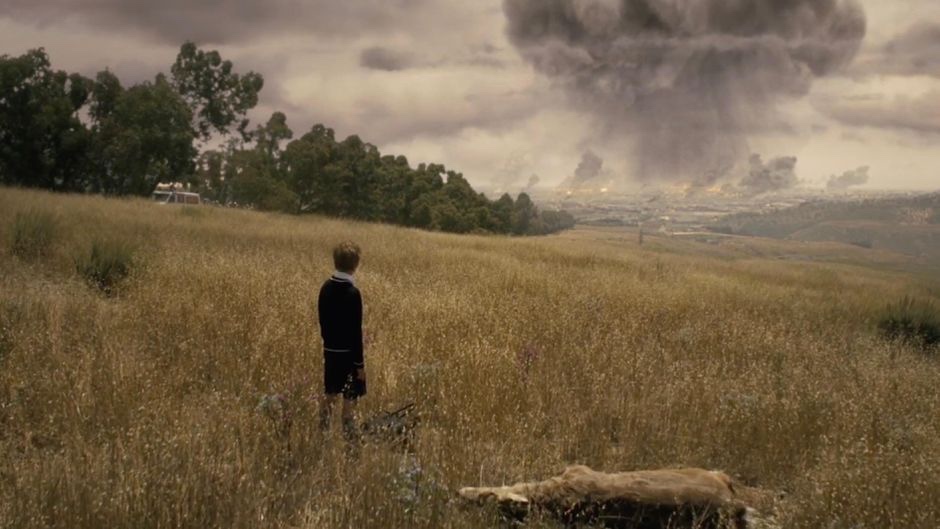 In 2016 HBO aired a radical revisioning of Michael Crichton’s clunky trash science fiction thriller, Westworld. The old movie issued a direct threat and moral: technology combined with profit motives is bad. Nothing new here, just a variation on the muck-racking novels of late 19th century America or a schlockier version of Fritz Lang’s Metropolis. The series that launched in 2016 delved into deeper issues: consciousness formation, the nature of humanity, and, yes, the moral bankruptcy of late capitalist culture. There was more if you wanted to find it, all wrapped up in a glossy, sexy, and violent package. Quintessential HBO.
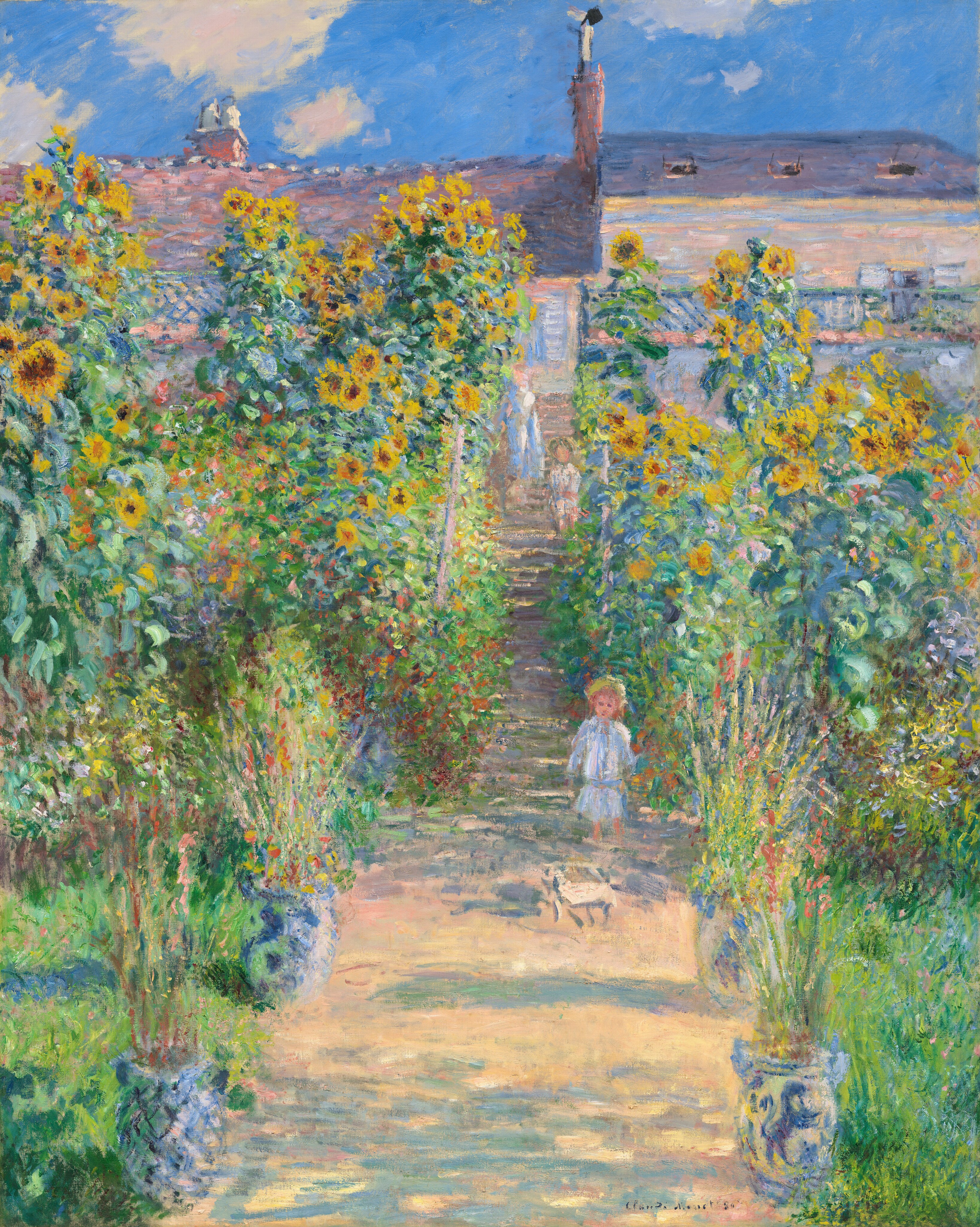
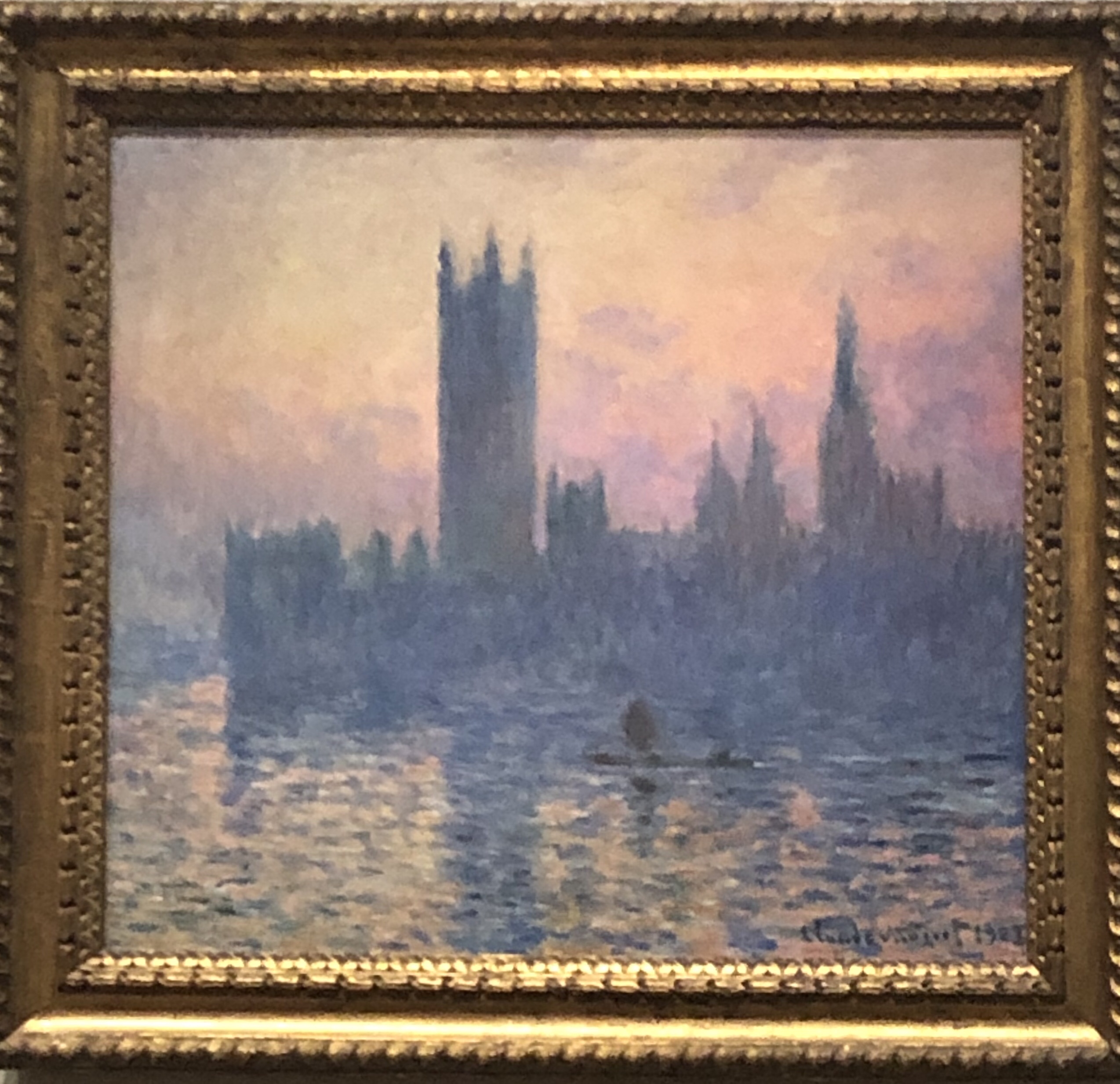 It has been a year and a few months since I was in London. I’m thinking about London while I sit and study Monet’s “Houses of Parliament, Sunset” at the National Gallery of Art. The memory of looking across the Thames at that building, with Big Ben swathed in the latticework of repair, has faded only a little. The memories of walking the streets of the original square mile and beyond remain startlingly vivid. I used them to paint scenes when the characters in my novel walked through London. The memories of the places and the memories of the feelings.
 When I was last in London, I was taking steps into a world where I knew I could live, where I had longed to live. Just like in the dream, writing—flight—was not foreign to me, but something I had traded in for a more certain, more directed existence. While “You are…You should” can feel like shackles, flying—writing—is formless and uncertain. Anywhere is possible. Everywhere is almost a mandate. Just like in the dream, I had written before—had flown—and had lived closer to the limits of my existence. But I had to leave my self-imposed limits. I had to accept that I might fall—and fail—but just as I accepted that in my dream—soaring up the side of a steel and glass edifice, wondering, “What if I forget? What if I fall?—I thought, even as the thrill of fear invigorated me, “You are flying now. Even if you fall, you will remember as you fall, and fly again. Keep flying.”
 Two women look at the Monet—taking seat in the National Gallery beside me. They think it is beautiful, but claim, “It doesn’t look like that.” Of course, the Houses of Parliament look like that, as does the river Thames, as does the sunset. “We didn’t see it,” they claim, “We were tourists, doing touristy things, like thinking about where to have dinner.” I did not think about dinner when I was in London. As much as I love dinner, even food became a secondary thought while I was in London. Even the pubs and ales became little more than way-stations along the bigger task—the journey, the seeing, the walking, and the flying. And the writing.
 In the other corner of the Freer Gallery, an exhibit of Hokusai’s paintings and illustrations includes quotations from the artist about what he intended—not just in the specific works, but as an artist. He wrote about discovering himself as an artist late in life. He was already an artist, but he claims to come into his own in his 50s and thought that he might attain his most complete vision if he lived to 110. He died at 90. His work is sweeping and intimate—monumental nature and quiet personal moments—fantastic and humorous—heroes wrestling demons and uproarious coworkers. Whatever else he meant to last in his work—why that hero wrestled that demon (as if one could easily answer such a question)?—he meant it to last. He aspired to capture a vision that would last long after he died.

