So much of this project (#thirdwishnovel) has been centered on twin acts of discovery. First, I have been overjoyed to discover this story, and the way that it has unfolded itself to me in the past several months. Each time I faced a quandary (What should this character do? How will “this”—whatever this is—happen? Why does this world behave the way it does?), the universe opened up and provided some essential part of the story.
I have written about this part of the process in bits and pieces in this blog. I have never been the welcome recipient of so many gifts. There were lions from Assyria, streets in London, a silver tree in Washington DC, heartbreak (yes, even this was a gift), and, of course, love. Each of these, and so many others, found their way into the book.
I cannot tell you, dear reader, how this process of discovery has sustained me. One of my friends asked that since I was the writer, couldn’t I just make up what I wanted? Another chided that since I was a creative writer (with a degree to prove it), couldn’t I just make what I wrote funny (or sad)? Couldn’t I just determine the mood of what I wrote?
The joy of discovery comes in not willing the outcome. I have learned to trust what comes. In addition to the gifts from without, there are also those from within. For instance, I was struggling with some action in the story, a movement that would precipitate a series of events. I found the movement—and an actual movement, an action—through reflection about the characters and reflection about physical exertion. And then, suddenly there was physical labor in the book: two characters moving large stones. Had I moved things? Oh yes. Had I taken some strange joy in physical labor? Oh yes. Were the actions of my characters simple mirrors of myself? No. However, the actions also suited them, and the tenor of what I was writing. They fit.
At the beginning of the school year one of my students interviewed me, and asked about writer’s block. I told her that I did not believe in writer’s block. I do not. I had been writing this blog consistently for almost a year, and felt that the images and ideas that were bubbling up were coming from a (finally) durable source. I talked (a little) with my student about searching for the source. That has been the second discovery.
All my life I have struggled with the twin poles of being in and of the world and also being me. I have had a hard time feeling at home in a world that felt selfish, and that valued self-obsession. Yes, there are some truly altruistic souls, but that drive—or simply drive itself—always seemed suspect to me. It created, more often than naught, a narrowing of vision. And anything that narrowed the world gave me a pain.
Remaining open to connection is a tricky business. It can create a kind of ant-gravity shell around a person, because any ground, any focus, limits the openness to connection. Fortunately, I do not approach my romantic relationships with the same predisposition (or do I? Damn!). But without focus, what will one achieve, except by accident? Accidents do happen—fortunate falls are around most corners. But as a plan, relying on accidents is a hazard best avoided, unless one wants to plan on injury and decides to play in traffic.
But for life—and writing a novel is like life—one needs a more directed plan, more than let’s play in traffic, or let’s dodge life’s slings and arrows. And committing to the living—and to the writing—has made the difference. It took a rearrangement of my life, a reprioritization of what I did, and a willingness to risk. Writing for months on end without the promise of brilliance (let alone publication) is not for those who seek guarantees. The only guarantee is the doing. I have been satisfied with the doing, with the daily writing, in ways that I have never felt satisfied before.
This is because I can no longer wait for the happy accidents. I have asked for them, engineered them, gone where I could be in their presence, and taken a hand in making them happen. While I have been happy to have some advice as I have written, mainly, I have trusted my own ability—and this has been exhilarating.
I have made the turn for home in this current project, and I have no idea how it will end up. Where I do know that I will end up, is with another project, another set of discoveries. Just as this one started almost on a whim—a glimpse—that changed and changed and changed again as I wrote, somehow watching how this has proceeded has helped me discover myself and my purpose. And that purpose is discovery in all its glory.
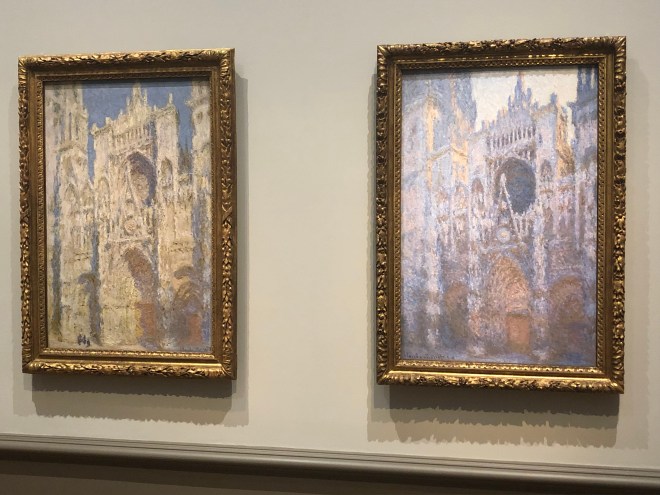 It seems impossible to me that when I finally see the cathedral at Rouen, I will already know the shadows of the late afternoon sun, and the way the morning light illuminates its porticos. How much of the world do I already know through the eyes of artists—the representations and words of painters and writers?
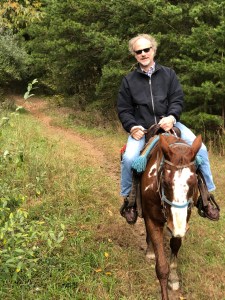 This past fall, I went horse riding for the first time since I rode at a neighbor’s farm when I was 6 or 7. I rode on a horse named “Old General,” a sleepy footed follower of faster horses, but a step up from a rocking chair. Or so I was told. At one point in the ride, our trail guide asked if we wanted to run. It was actually the second time she had asked us; the first time I had gotten my sense of it. The second time, I was ready. Old General and I dashed, finding speed where it had not been before, and we covered the field ahead of my riding companions. Yes, I am competitive. It was one of the best days I had had in a long time.
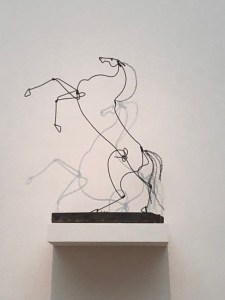

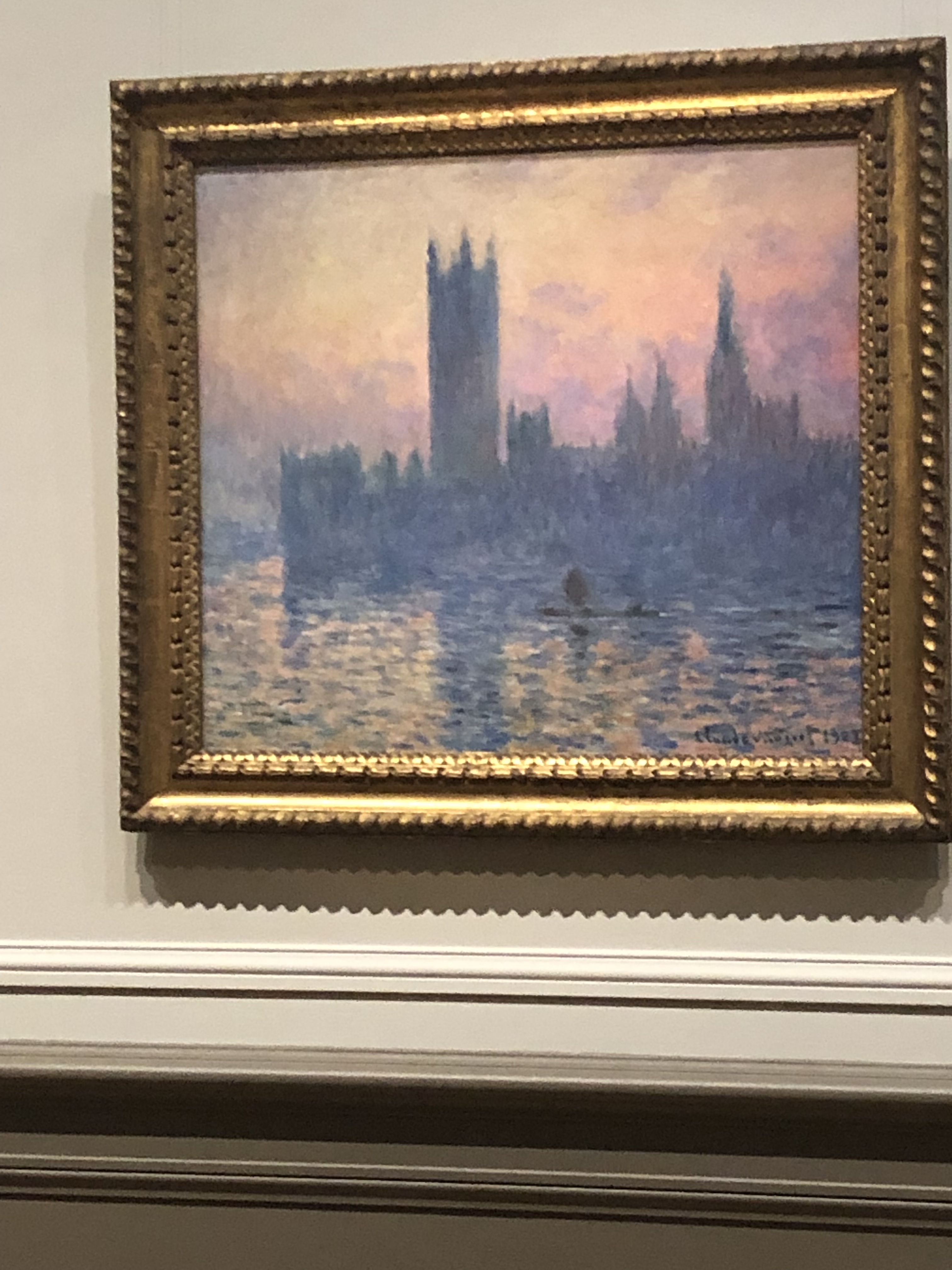 I am looking at a painting made by a French artist of a British building that hangs in an American museum. This seems at once perfectly natural—what else would I be doing? What else would a French artist paint (or an Italian, British, Russian, Afghan, or American)? And where else would a painting be? Of course, this seems only natural because it is what we have become accustomed to, since the time when Ennigaldi-Nanna opened the first museum.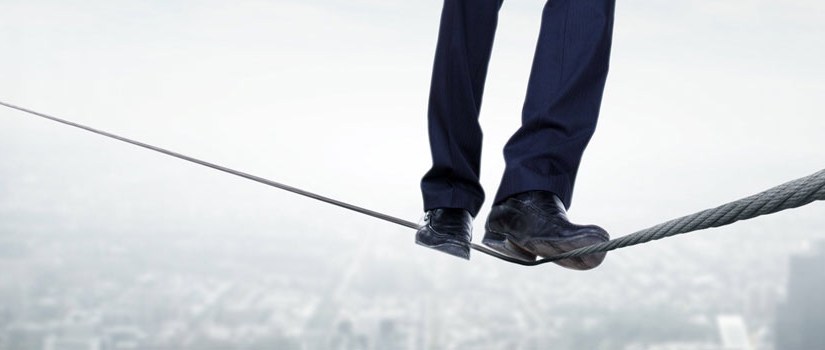


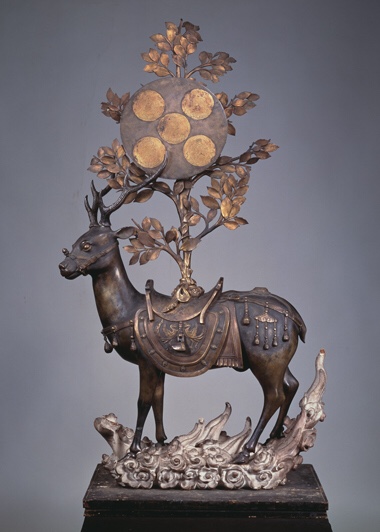 There was a show in the summer of 2019 at the National Gallery of Art, called “The Life of Animals in Japanese Art.” There were several deer, and one of them—not this particular deer—snuck into my work. Whether it stays or not, who knows? For now, here:
 I once had a “fitness trainer” who exhorted me, and those I worked with, to be as hard as the tip of the spear. I had spent years as a serious swimmer, and had a macho enough attitude to gobble this up. There were long sessions among Nautilus machines (the preferred hi-tech option of the early 80’s), blistering runs, and of course, time in the water. I enjoyed the hardness that was belied by my boyish exterior. The baby-faced bloom of youth did not dissipate until I was nearly 30 and grew a beard. I used my appearance to push me: “Do not mistake my youthful exterior for a lack of drive,” I thought. I drove hard.
