I revisit texts—novels, stories, plays, and poems—with joy. They stand as mileposts, as reminders of the paths I have walked. I have not always enjoyed this journey, but it has been my journey. No one else has walked this path. I have never wanted it to end, even when the trails of my imagination have become untended and overrun with weeds, when it seemed too difficult a task to return to those paths, to follow where they led, to cut new ways into the wilderness.
The mileposts that speak loudest to me are those that recall not simply the distance but the method of travel. How many times have I dipped into Whitman to find a way I thought I had lost? Perhaps not enough. Or the more diminutive Dickinson, who reminds me of the power of possibility? I re-encounter Prospero every few years, not yet ready to cast my books of power into watery graves.
The first time I read Joyce’s Portrait of the Artist as a Young Man, I was 20, a junior in college. I read it in one furious sitting, rushing as was the case in undergraduate school. The book shot through me—the sermons in the third chapter frightened me, and the ending befuddled me. I had not written since the rhyming verse I attempted in high school. It would be a year before I started to cobble together my own stories.
I encountered it again when I was 28, and in my first year of graduate school. I wrote every day and was just learning to read by making connections—or rather, by freeing my mind to read as expansively as possible. I did not see a mirror in Stephen Dedalus, not yet, but I saw how Joyce was beginning to challenge the reader, and followed his challenge into Ulysses, and peered obliquely at Finnegan’s Wake. Reading Joyce intoxicated me—all the word play, all the allusions, all the swirl of events. This is how my brain worked, and I felt a kindred spirit at play in Joyce. Perhaps this was too great a burden to lift as a young writer—to think like Joyce, to aspire to something like his work, but I saw the path, at least one path. There were others, and I tested many.
The next time I was 41, and in my first high school teaching job. For whatever reason, my writing had slowed. The difficulties I encountered in my work made me doubt every word I wrote—and even every word I read—which made reading more distant and difficult. I could read a novel as a collection of themes and ideas, which made for fine if programmatic teaching, but the hearts of the works did not beat with the same sense of connection. I felt hollow. I read Portrait as a kind of roadmap for one man’s feelings about Ireland, faith, men, and women. I nodded toward his art but felt closed off from that part of Stephen’s story. I knew it was there—I sensed it—which made the experience strangely worse. This is what you should be doing, the book chided.
I spent several years away from my life’s work. I wrote here and there—stories for kids, sermons, and—in fits and starts—this blog. I suffered for it, as, I am sure, did those around me. I am not a man who can be what he is not and put on the trappings of happiness. “Fake it until you make it,” may work for some, but I need connection—not simply interpersonal or romantic connection, but to the universe, to some deep unconscious thrum that turns words into flesh and flesh into a play of bright and dark and dense presence. While I started to craft a life that combined the spiritual threads I would need to reconnect me to that seen and unseen world, it wasn’t until I started writing daily that my words found the old (new) purpose. Over the past year, I have kept a daily writing practice that, with very few exceptions, has brought me back.
Now I am 58. I am not young. I have long past the point where Stephen stepped into his work, but my heart bursts, as if newly forged—reforged by my years long effort. I read the book again, and this time I hear the singing—it is for me, and for my students too. I orchestrate a class that includes Portrait, weaving together strands from universes that while shadowy—more to my students than me—move with playful grace. The book sings to me, calls to me, demands my attention, my thought, and my response. Not simply in class, but in my work. Not just these words, but other words.
I no longer feel called to write like Joyce, or Dickens, or Marquez, or Woolf, or Calvino (though, wouldn’t that be nice). Or, or, or. All the words—from every page, from the labels of soap, from the scraps of memes, to the shifting exchanges of my students call, all the words—insist “forge.” And so, I will, I must. Old father, old mother, old artificers, all of you, “stand me now and ever in good stead.”
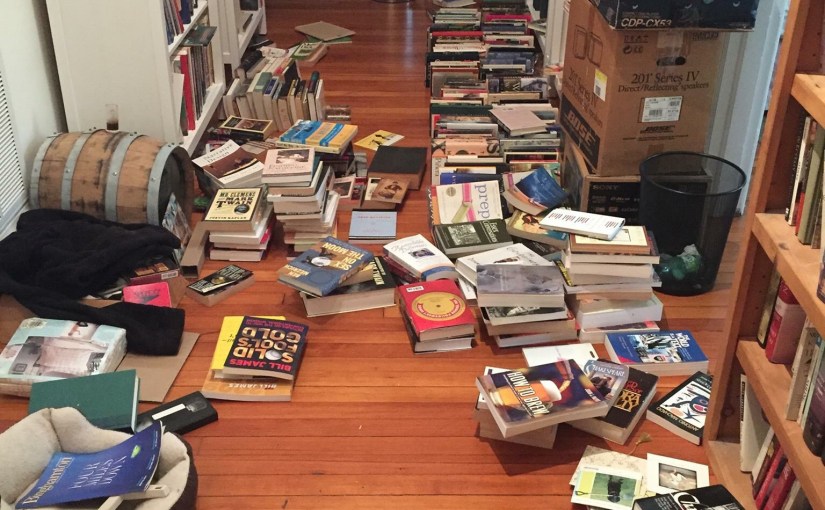
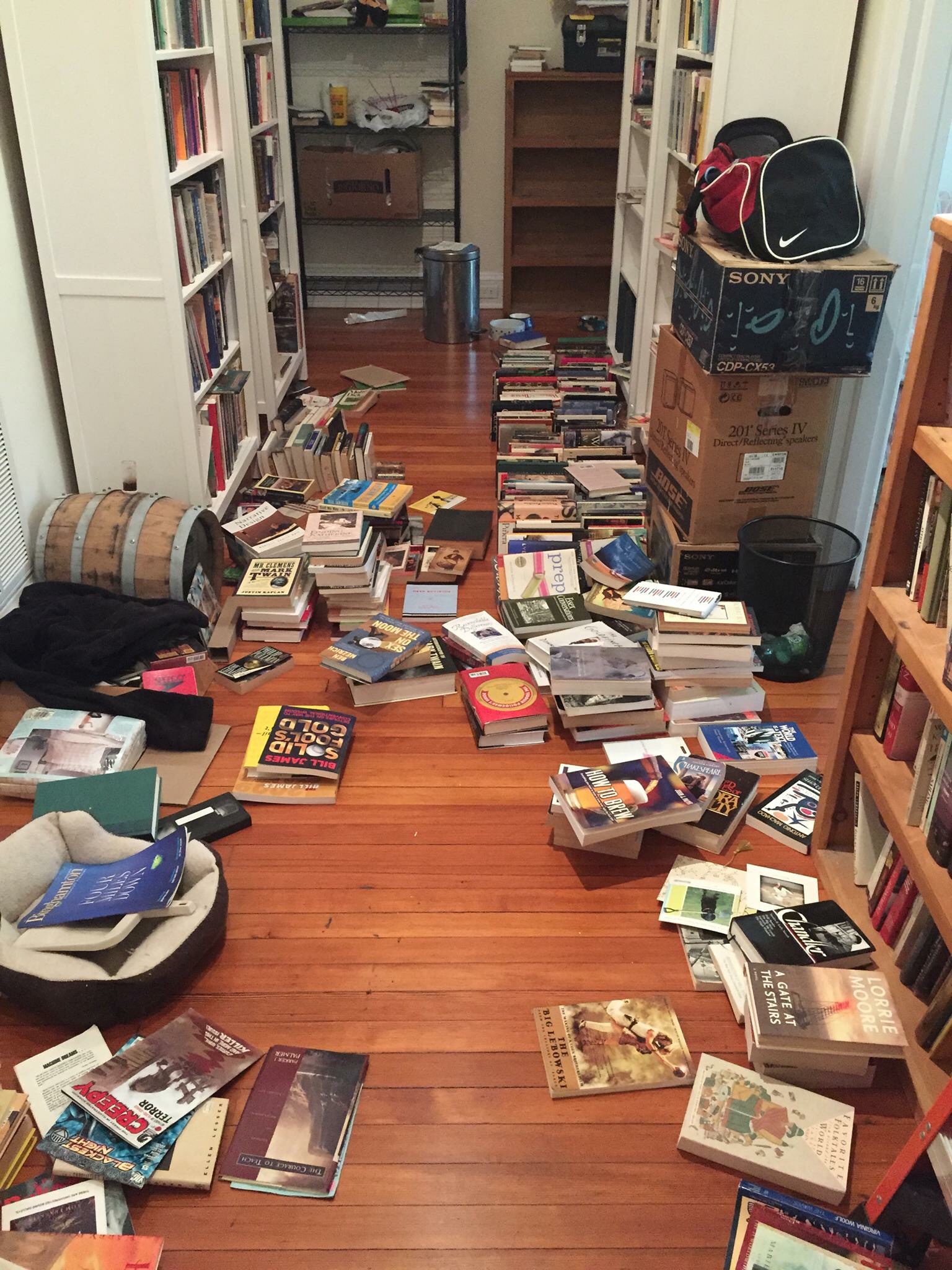

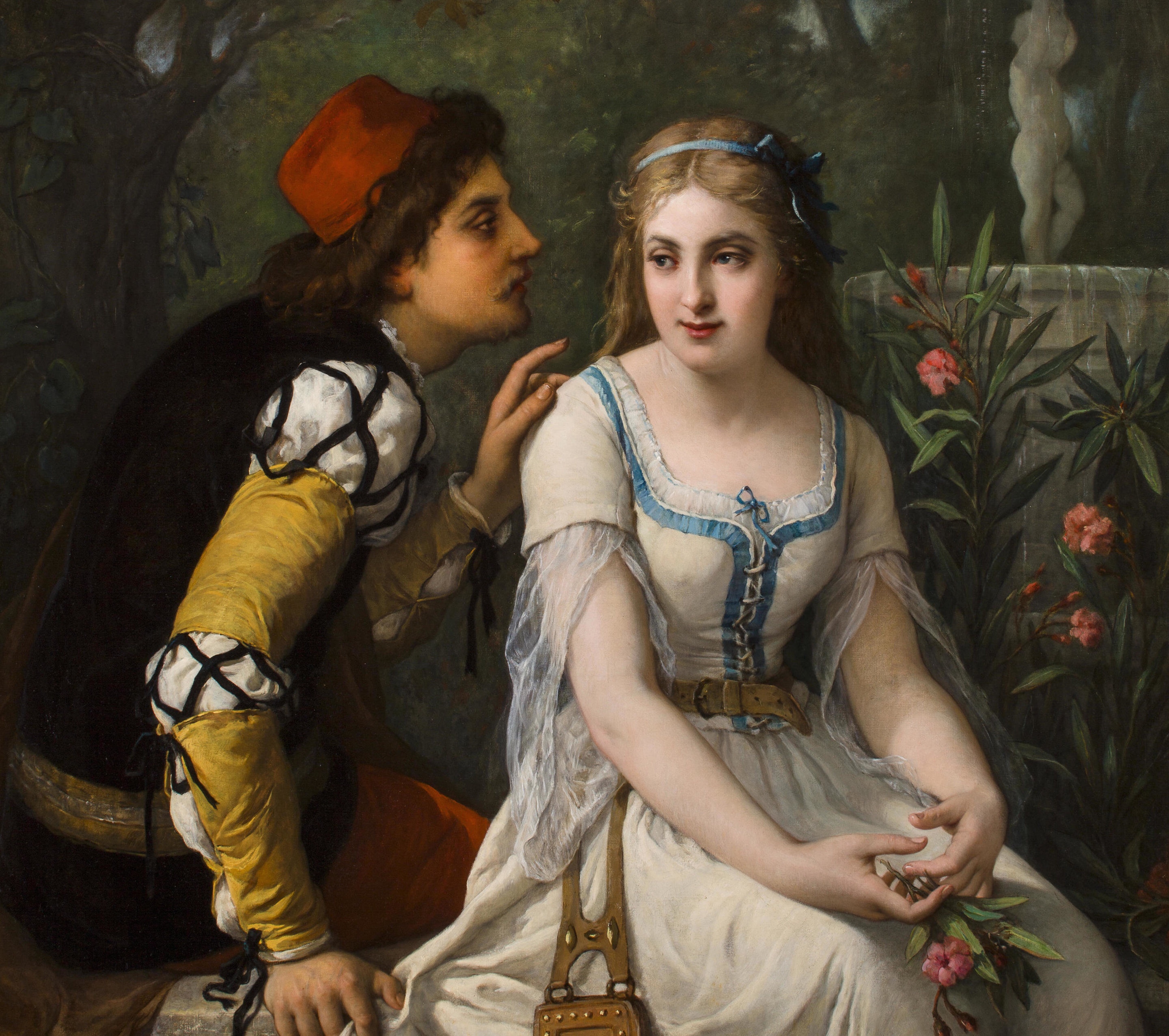 Country Living posted a
  History is a story of discontinuous events—events that collide like weather systems or galaxies, having barely understood origins, and even less decipherable records. All the witnesses were destroyed in the collision. What they saw, what they thought, and what they felt—even if they recorded their observations on stone, paper, steel, or silicone, have been destroyed along with them. We are living in the age of delusion, in which we believe in the sanctity of our recorded history—either self-scribbled or captured by another.
 Second, in the musical Hamilton (which was also part of this trip to London), the character of George Washington warns Hamilton that we do not control who writes our stories. He’s telling this to a man who believes in his power to literally write his own story—and to use his words to cement his reality. He can’t—and doesn’t. His wife, Eliza, sends his legacy forward—and Lin Manuel Miranda brings us her legacy. But, as Miranda admits in interviews, even this moment for Hamilton—and therefore, for him as well—is provisional and subject to changing tastes and critical opinion.
 I had always shrugged off the idea of traveling to the Grand Canyon. I was one of those, “what’s the big deal about a big hole in the ground” skeptics. I was wrong. Of course I was wrong. The Grand Canyon is an amazement—and of course, I was properly amazed when I saw it—looking into two billion years of rock will do that, should do that. I realized that what I had held aside was not the geology or the landscape, but the travel. Why had I discounted my ability to be amazed by travel? I had done it all my life. Going, all kinds of going, even if so much of it has been more local—on this continent, in this country—has been part of me all my life.
 I loved airplanes and airports. Departures were invitations to new adventures. When I traveled with my family, I usually sat alone—the hazard or benefit of being an odd numbered group. I took my first plane flight alone when I went to Iowa to swim; I was 15. I traveled by train and bus alone all through my early adult life. I usually traveled to visit friends. However, I also went to cities to simply see them, to look at buildings, and camp in museums—visiting and revisiting works of art that held sway over my imagination.
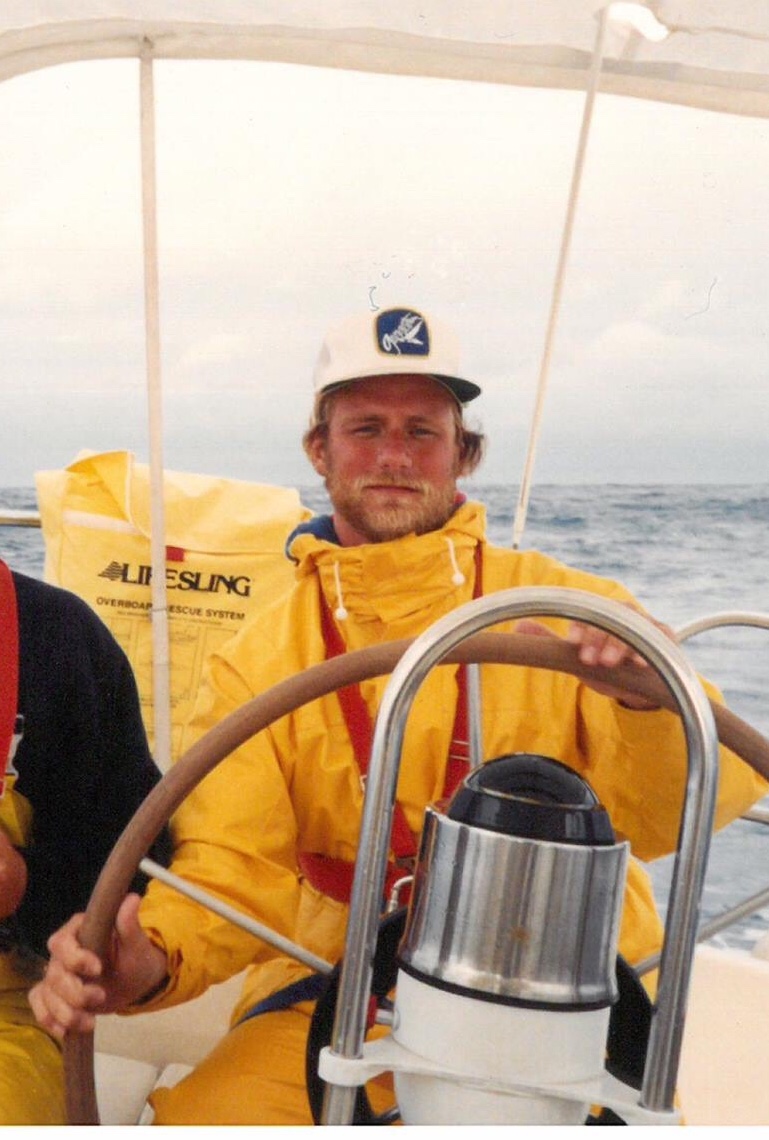 There were trips under sail with my father and brothers. These were tests as well as trips. The ocean makes us foreign to ourselves, our bodies not made to be perpetually wet, and perpetually in motion—shaken and stirred. I have never been anywhere larger than surrounded by sky and ocean, never felt as alive, nor as alone.
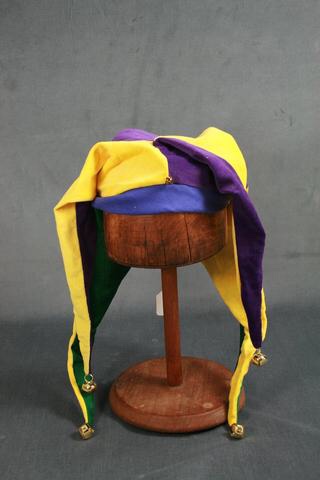 So much of wit is based on shared experiences. I know I can toss in a “Brian Clements, we love you, get up!” to my friend Brian, and he will smile that wry smile that accompanies a reference to O’Hara. Or proclaim, “Hell, I love everybody!” and he will know what I mean. If I draw my finger across my eye, we have traveled into Bunuel’s fractured mindscape. We share those images and words. I can tell my brother to “Blanket the fucking jib,” and he will know the context. My mother can call me a “Son of a Bitch,” and know the ground upon which she treads. My father would offer a “You have all done very well,” recognizing the provenance of ignorance that surrounded Mr. Grace’s signature line.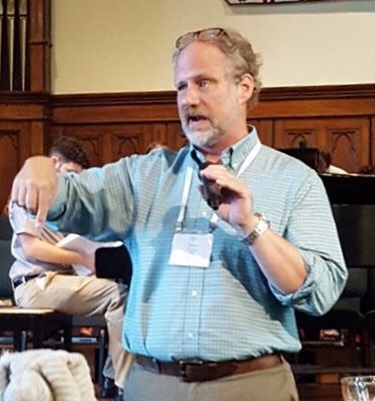
 When I sit down to write, I haven’t thought about an audience. Often I feel more like an amanuensis, copying down whatever the universe commands. The universe commands much, by the way. You might call it inspiration—divine or otherwise. I have not spent much time trying to figure out “my voice,” as much as I have trying to listen keenly to what comes my way.
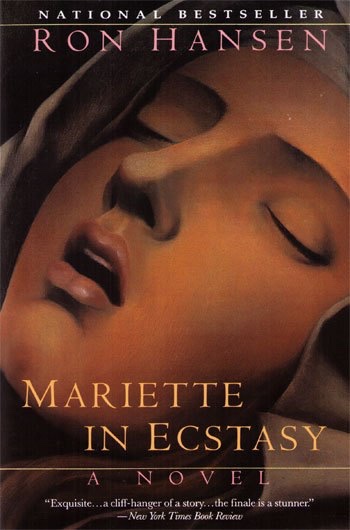 One of my first teachers, Ron Hansen, ends his spectacular novel Mariette in Ecstasy with Mariette’s message from her muse (who just happens to be God). The message is, “Surprise me.” I read that years and years ago, and only now has the lesson begun to take hold. How I wish I had stumbled into that realization 20 years ago. But better now, late as it is, than not at all.
 I recently swapped the nicknames that we give our kids with a friend. We had both, surprisingly and strangely, settled on “Bug.” I’m not sure that our daughters will appreciate that longer into their lives, but for now, it will do.
 And I do know the other side. I know how easy it is to let upset slide into hate. And I know that once uttered—by an adult, not by a child, because children must experiment with all words and all emotions—it breaks the bonds in a nearly irrevocable way. I have said it, out loud—either in the perpetual external conversation I have with the world or directly the object of scorn—and the immediate thrill is followed by a deep remorse as the tendrils that connected me to another person wither immediately into dried spiked vines, like the hedges of multiflora rosa that grew brown and foreboding in winter. All that was planted must be uprooted. Maybe something can be saved, some sprig, somewhere.
 Some people, most people, grow up, and cast their lot on one side or the other. Apollonian selves dream into an idea of logic and order—think a sonnet by Shakespeare, glorious in its arrangement of rhythm, rhyme, and idea. This is Apollo brought to earth, walking firmly on the ground. Dionysian selves trumpet feelings and instinct: Ginsberg’s “first thought, best thought” is as much a dictum as can be borne.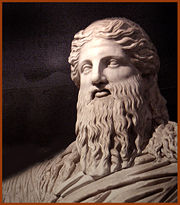
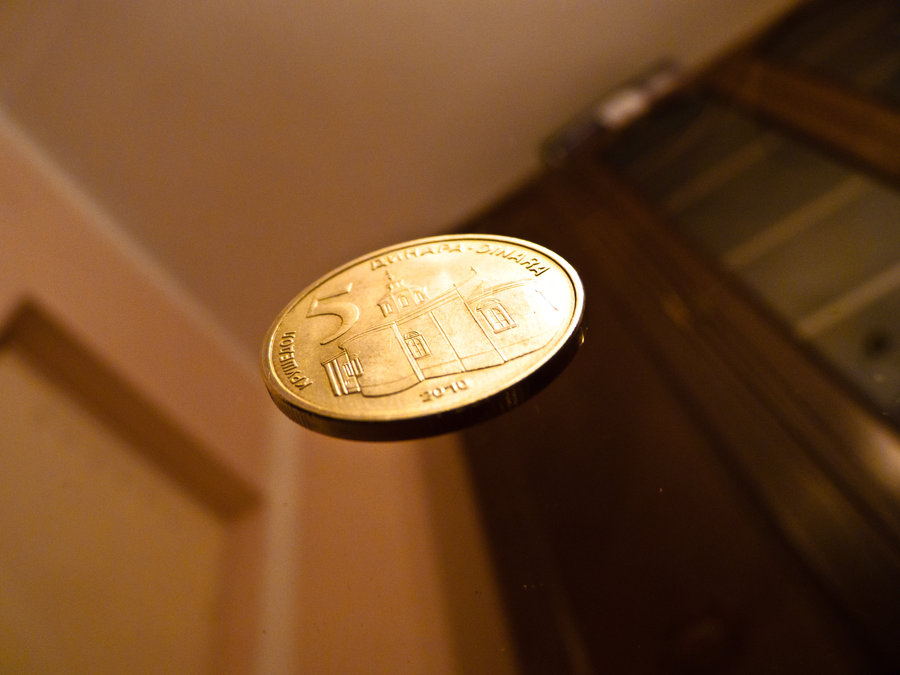 My youngest brother has told me many times that I am too serious. And of all the boys, I am. And not. My wildness is serious, and my seriousness is wild. Flip a coin, and watch the light glint off side after side after side as it tumbles through the air. Heads or tails, the glinting wins.
 continuoussearch