“In that immense crowd which throngs the avenues to power in the United States I found very few men who displayed any of that manly candor and that masculine independence of opinion which frequently distinguished the Americans in former times, and which constitutes the leading feature in distinguished characters, wheresoever they may be found.” from Democracy in America, Alexis de Tocqueville.
At some point, the whole point of “being a man” was to live a life that was, in de Tocqueville’s words, full of “candor” and “independence of opinion.” Sadly, even when he was surveying our country in the first half of the 19th century, de Tocqueville noticed that such characteristics had waned. People were more likely to follow popular opinions and desired little else than to be part of the herd. “The Tyranny of the Majority” was worse than the tyranny of a monarch, in part because it was a refutation of those manly virtues.
I’m inspired to take up this theme again, because Daniel Victor published an article on masculinity and masks in today’s New York Times. Men have made masks a political issue—or rather, they let masks become a marker of their masculinity and let the jeering hoard determine their idea of what it means to be manly.
Set aside the absurdity of going to the mattresses over masks. One might as well complain about wearing shoes (A real man would walk about with bloody mangled feet). But some tide has turned, and real men need to take another stand. No purses. No speed limits. No two-drink minimum. No masks.
What stands out is that men need to gather together in groups to assert this.
I understand that fraternité—brotherhood—has in ineffable and intoxicating power. I delight in the time I spend among my brothers—both of birth and choice.

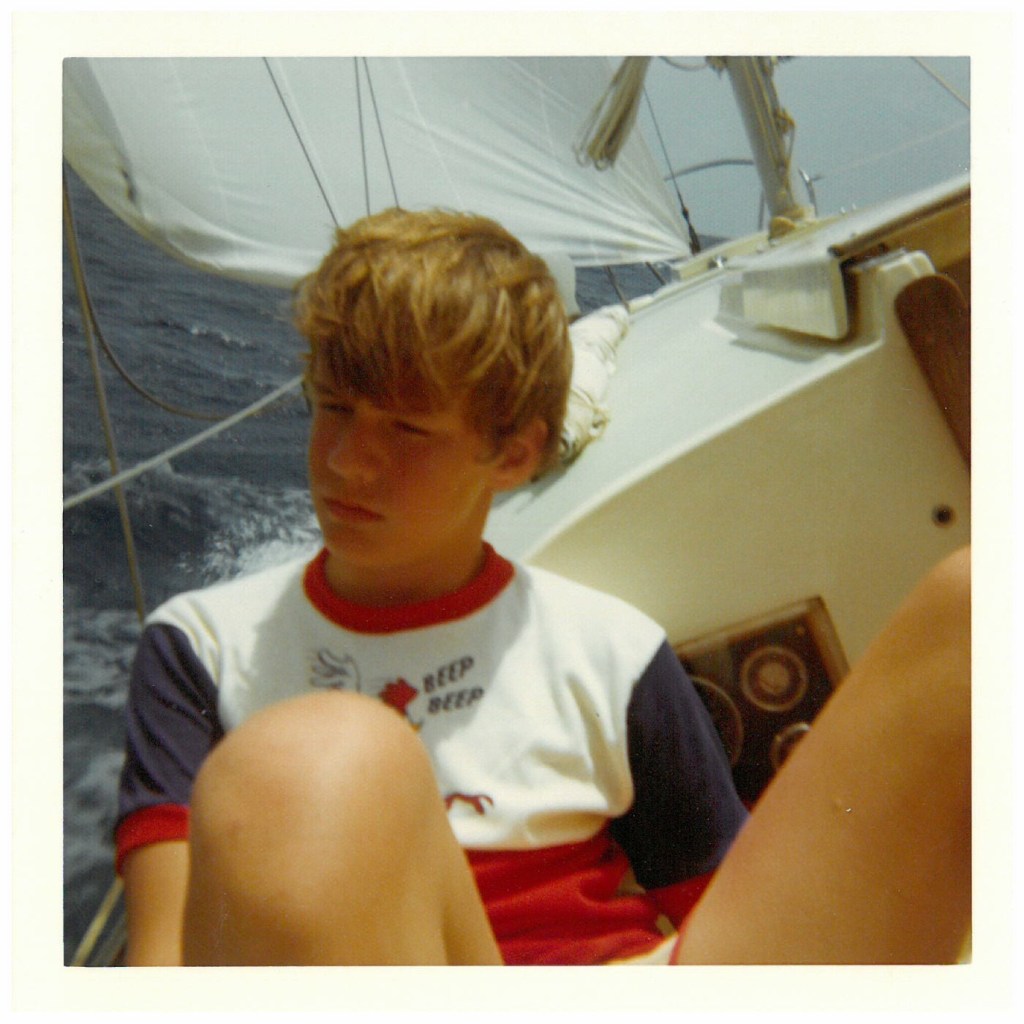
However, part of “being a man”—and whether this is a good or a bad thing I will engage at a later time—is being alone. I relished nights on the ocean when I was at the helm, and my crewmates were either in their bunks or asleep with their backs to the cabin. The years of study and writing I did and do, while they may have their end in a classroom or manuscript, were valuable in and of themselves. I built a kitchen on my own. I pulled the clutch from my VW alone. I made Bastille Day dinner alone. Sure, I looked up the directions, but the bloodied knuckles, thick callouses, and genuine pride belonged to me.
I actually have a more challenging time in company because of the lack of candor that others show—men especially so. Candor: not just honesty, but straightforwardness and a thoroughgoing willingness to shine a light. How many times have I heard someone couch what they were going to say in “This is my opinion…” and then blather on in seriously unexamined directions? How many times each day?
Even this writing results from my natural predilection to push my opinions—and not just about masculinity—and see where they are rooted, and explore their limits and my own. I demand the same from any.
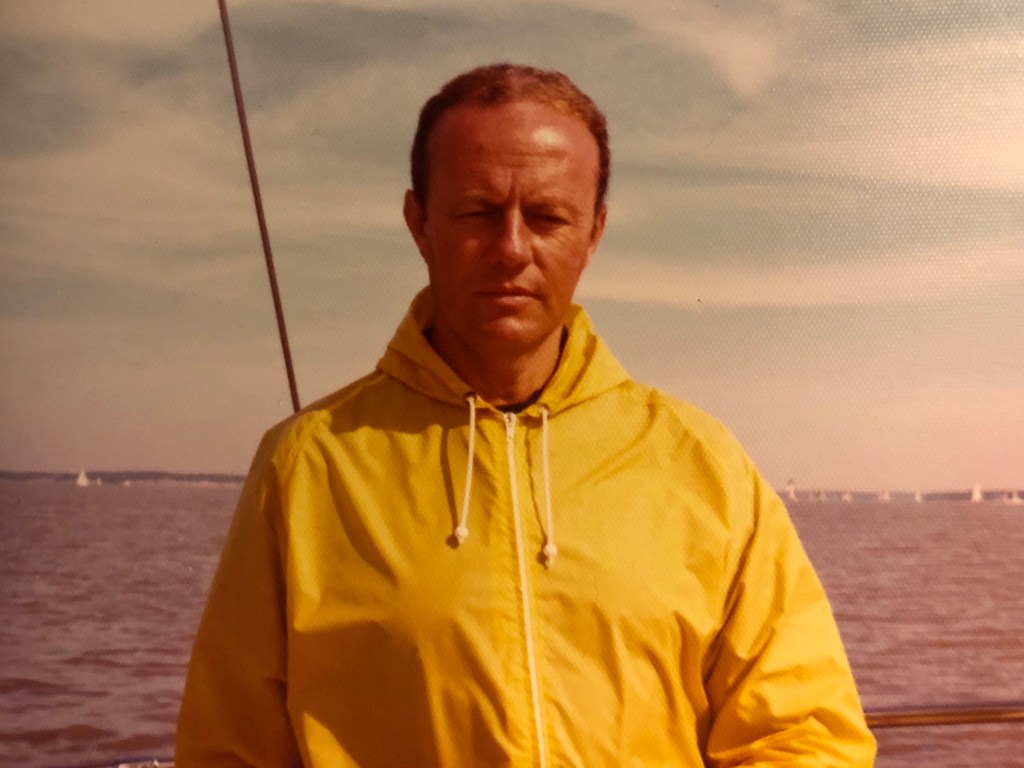
One night on the Chesapeake Bay, my father had charted a course for us to follow. It was the first night of our sail, the ocean and a gale were ahead of us, and my brother Peter and I had the late watch. First, we ran through a set of nets set out just off the channel. They were hoisted between temporary thin posts driven deep enough to hold them and catch fish. But then I noticed that our course, such as it was, would also take us across the land.
My father did not always explain where we were going or share course details. For most of us, that was fine; my father was “the captain,” and we were on his boat—that was enough. This drove me crazy. I wanted to know, to break out a chart, and to mark our progress. I wanted to associate what my eyes told me in the bay—at night with a sky partly lit by stars—with some larger picture.
That night I woke my father—not a dauntless act: besides his distemper at being awakened, he was on medication for Parkinson’s Disease that made his sleep thicker. He groggily looked at the waypoints he had mapped out, looked at the horizon, then handed me a chart zipped into a waterproof plastic jacket. “Get us here,” he grumbled and pointed at a point well to our South and East. Then he returned to his bunk.
The job of a man is to wake his father and tell him when he is wrong. And then get back on course. If you don’t know how to read a chart, learn. If you don’t know how to sail, learn, or stay home.
When de Tocqueville remarked about the flagging “manly candor” and “masculine independence of opinion” in the 1800s, it was because the United States began with strident truth-telling and was born out of a series of acts that took responsibility for the truth. Small groups set out to make a life—a new life—outside the comfortable known world. Those first colonists’ decisions were rooted in hope and vision, and, because they were someplace strange, caution and practicality. To rephrase William Carlos Williams, there were no ideals but in things. And all those ideals and things needed to be tested and checked for their utility as well as any unnecessary or ornamental value. Think of Puritans and Quakers, both in spare meeting houses—trying, and in some cases failing, to discern the truth. But trying.
What struck de Tocqueville—and strikes me now—is not that truth has become less critical, but the ability to distinguish between the necessity and the ornament of truth has dimmed. This is nothing new. De Tocqueville wrote Democracy In America 150 years ago, and after Thoreau noted that “the mass of men lead lives of quiet desperation.” Maybe its the “quiet desperation” that confounds us and makes us valorize the freedom to breathe and speak without a mask over the responsibility to ensure the safety of those around us. Discomfort outweighs obligation.
And obligation becomes what it has never been before—unmanly. I wonder how that happened, how the more Spartan values of sacrifice and duty have been replaced by a fierce desire to get to the front of the beer line? How did we get so far off course? Yeats wrote, “The best have no conviction. The worst/ are full of passionate intensity.” Why cheer against obligation? This is not why we are here, not what we fought for, not what men do.


 We gathered a twice a day to listen to the nautical forecast, usually in the cockpit, but when the weather was execrable, in the cabin. For days on the ocean it was the only external information we had, and the computerized voice that intoned the zones and conditions annoyed and entranced us. My father never explained which particular slice of the forecast we should heed. If there was one, it was his secret. We did get a general sense: the information could reveal a significant change from the forecast with which we headed onto the ocean. For the most part, the weather we encountered was weather we could see.
 It is difficult to explain the existential risk that the writer—at least this writer—undertakes when working. It is tantamount to this:
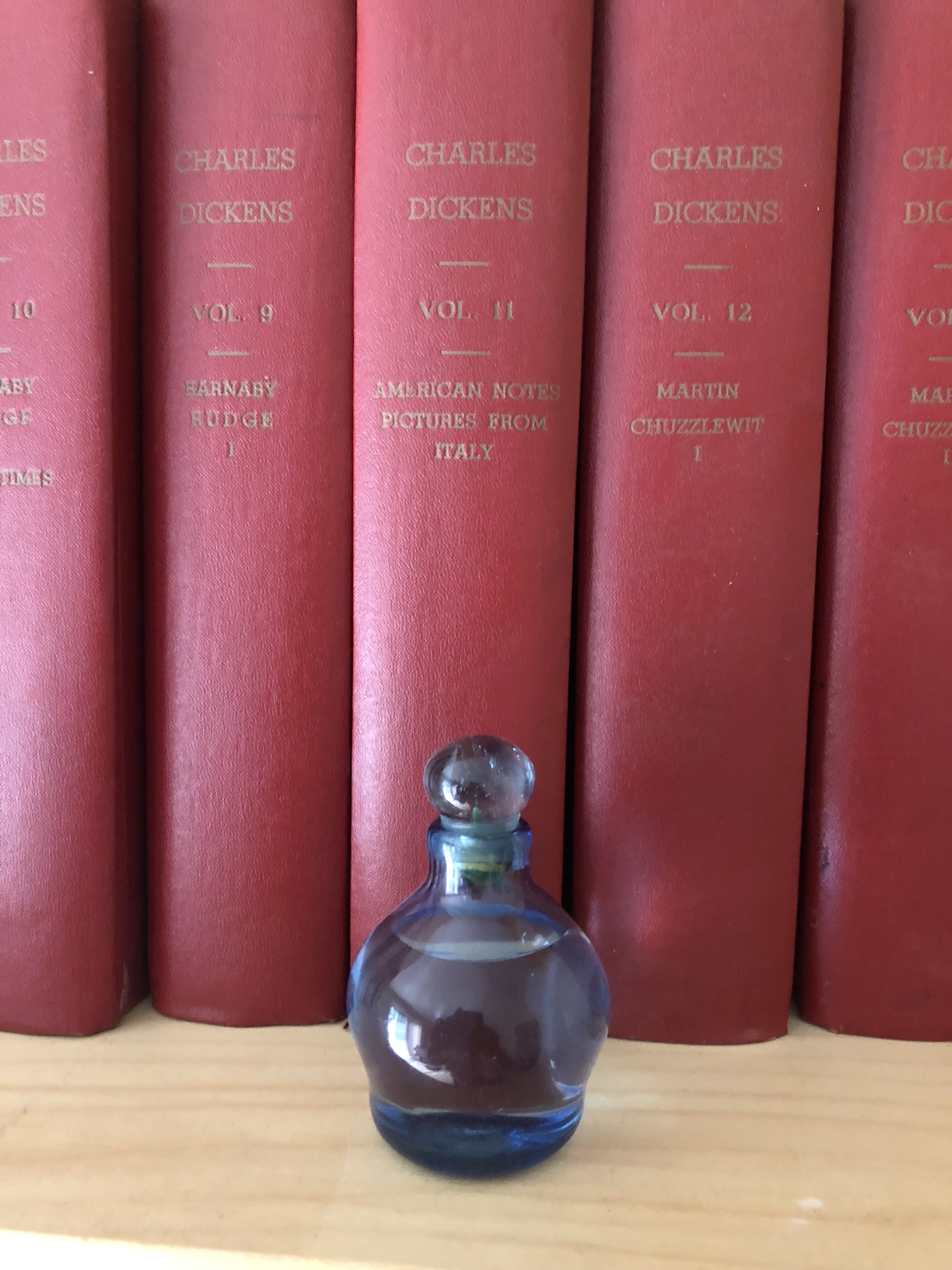 When I am out walking with my daughter I have one, simple repeated lesson: pay attention. Crossing a street? Pay attention. Walking past a flower bed? Pay attention. Meeting people? Pay attention. It is the cornerstone. I point out when I fail, as she does: Pay attention, daddy. Did you look? Did you see me? Two eyes seem like slim equipment for the work of days.
 I started watching comedians late at night with my father, who was a Carson devotee. My dad would take a nap after dinner—short, maybe 20 minutes in his chair in the den—before watching television or reading until the news and then the Tonight Show. He would stay up until Carson finished at 1 am (later only until 12:30 am). My mother absented the scene well before 11.
 In 1982, the year I graduated from college, Letterman took over what had been a fairly straight talk show slot. Tom Snyder’s Tomorrow had ended NBC’s programming. Snyder was as hip as could be imagined at the time, smoking a cigarette and asking pointedly bemused questions. Letterman rolled in on a wave of calculated whimsy and sarcasm. He was a genial wiseass—smart enough to host Fran Leibovitz, foolish enough to wear a suit of Alka-seltzer tablets into a dunk tank. While Carson chuckled at the world, Letterman was in perpetual eye roll. “These people are idiots,” he seemed to say, “And if we aren’t careful, we are too.”
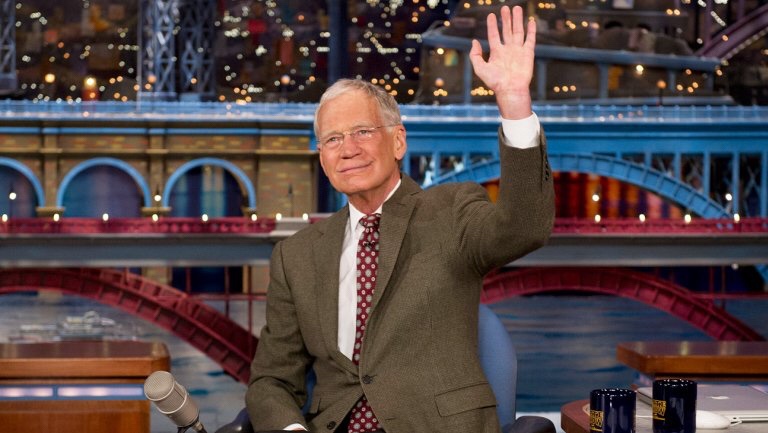 When he left in 2015, it marked the end of my Second, and maybe Third Act. From graduation from Swarthmore to graduate school at Binghamton, from adjunct teaching to secondary ed teaching, from occasional church goer to religious professional, from single, to committed cohabitation, to marriage, and finally to separation and divorce. I still watch late night comedians, but now they function almost only as an antidote to the news. Please, someone make light of the daily made-up facts. Maybe that will end when the current administration leaves, and maybe a sequel to Ionesco’s Rhinoceros will have everyone gleefully turning back into humans.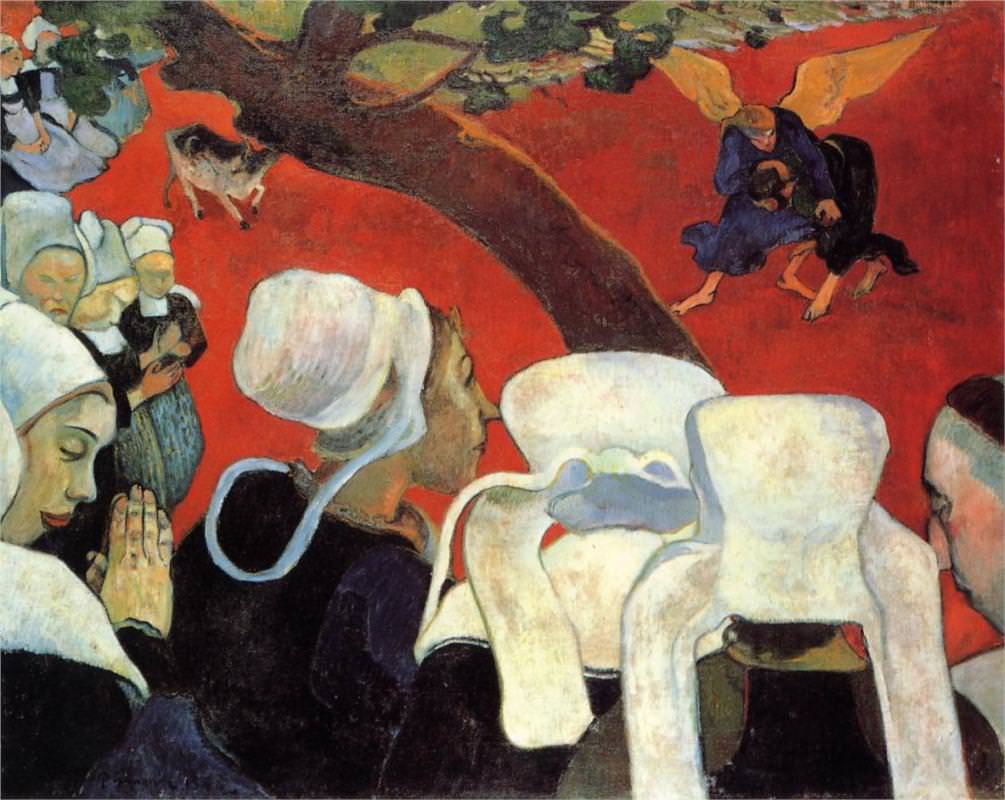
 continuoussearch