 A current meme on Facebook compares what Moms used to say to their kids with what they say now. It is held up as a clarion call to the virtues of yesteryear, when Moms—and their kids—knew what was what. Over and over again, stuff (stuff) like this careens around the internet, in casual banter on news shows, in conversations in my workplaces. Those of us who grew up in the mythical “then” look back with nostalgia, and look at this moment with a jocular disdain. I would like to call “bullshit” on the whole enterprise.
I don’t now what your mother was like. If she was anything like mine, there were highs and lows. My mother stayed at home with my brothers and me. She bowled in a league. Went shopping. Had bridge parties. Took tennis lessons. She was a den mother for my Cub Scout troop, and took us to the Devault Meat Packing Plant, among other places. Her sons were a handful. She scurried us out at a reasonable time in the morning, set out lunch when it was time, and made dinner for the family. She made us Batman capes for Easter one year; she sewed. I remember her stitching up an injury to one of our cats.
Was she happy? Her happiness was never an issue for us. Nor was our happiness overly attended to. We all were content, which, to my gimlet eye, is a horse of a different color. It was only later, some 13-14 years after I was born that she began to explore art, and then took on the work of a painter, and artist. If she found genuine and durable happiness, it was in that work—and the work of making art is not about easy delight, or even contentment (so says her son, the writer).
 My mother did what she thought and felt was right. She learned her lessons from her mother and family—and what lessons they were. Some things, she changed. She never leashed us to trees in the front yard. Others were more indelible. I am certain that most of us parent in the same way—sifting through the conscious and unconscious lessons that we received from our parents. What we do, we do almost on a kind of autopilot—in the heat of the moment, dumb memory takes over. Change is hard.
I cannot and will not say that my childhood was perfect. I can recall exceptional moments on both sides of the ledger. Making a judgment seems beside the point. Here I am now, and I go on. There’s a ton of privilege built into that statement, and I fully recognize exactly how fortunate I am to be where I am, and to have traveled to this point in my life. The choices I can make now—and the way I make those choices—are predicated on the choices of my mother and father. And so on. For ages.
I guess that any time I hear someone pass judgment on another’s parenting—and mothering especially so—in that gross, if semi-benign “Look at the snowflakes” kind of way, I want to yell, “Really? Cast aspersions carefully, oh paragons of perfection!” All those old lessons about the log in your eye and casting the first stone ring out loudly for me. Those are the lessons I remember. Besides, the old joke about walking five miles to school in the snow, uphill, both ways, gives the proper lie to ill-kept nostalgia.
Life, and mothering, are hard. No one needs anyone to chide them for the daily duties. The significant missteps require a different consideration. No more abuse, please. But keep the quibbling to a minimum. Please.
In general, and in a larger sense, I distrust nostalgia. Yes, remember, always remember, but without the haze of candy floss. At heart, I am more focused on where we are going, adapting, and learning—and in passing those lessons on. Have I failed? Indeed. I keep at it. I will fail again. So what? I keep at it. Where I came from is a starting point, but not my destination. Eyes up! Here comes life.
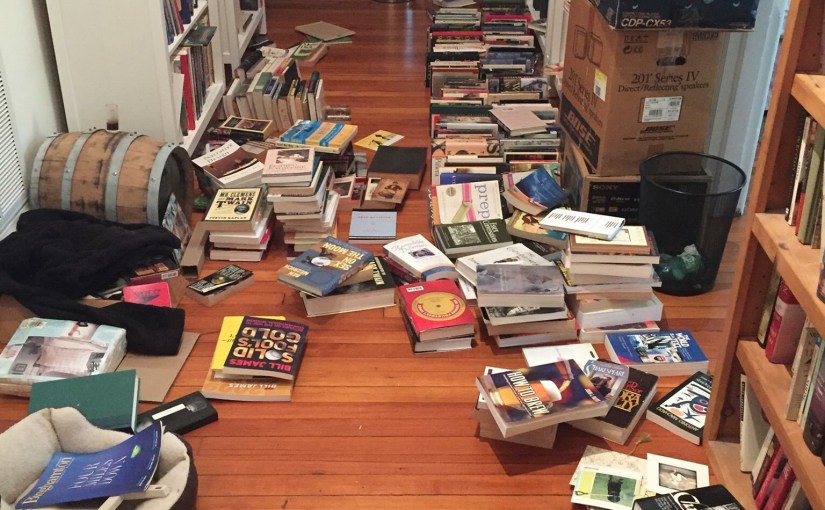
 At some point—and it happens fairly quickly—the life of an English teacher becomes more about re-reading than reading. This is a preposterous change from the life of a graduate student, when everything is reading. As a student, there may be a handful of books that one reads a twice, but those are also the books with which one spends an engaged period of time—there is an essay in the offing. If you read them twice, chances are you read them a half dozen or dozen times. By the time you start teaching, the repetition is no longer driven by your desire or directed curiosity, but by a curricular roadmap that more often than not, you have not decided.
 I feel the loss keenly. I am dissatisfied with the too morbid outcomes that serious writers propose, and with the deathly insistence on disconnection and disappointment. And I am dissatisfied with trudging over this same ground over and over again. There must be the possibility of joy, and please, for gods’ sakes, there must be discovery. Which means new works. In “Seymour: An Introduction,” Salinger allows Seymour to give his brother, Bruno, the single best piece of writing advice—and by extension, life advice—I have ever read. It is hopeful. “Imagine the book you most want to read… Now write it.”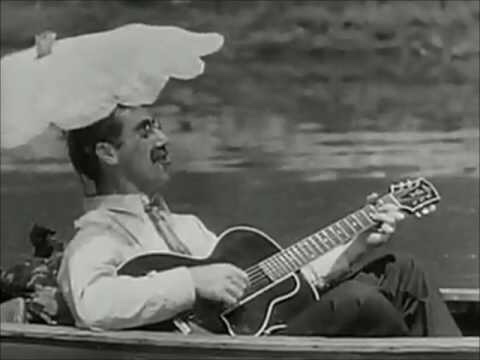
 When I am out walking with my daughter I have one, simple repeated lesson: pay attention. Crossing a street? Pay attention. Walking past a flower bed? Pay attention. Meeting people? Pay attention. It is the cornerstone. I point out when I fail, as she does: Pay attention, daddy. Did you look? Did you see me? Two eyes seem like slim equipment for the work of days.
 An occupational hazard of a career of reading English Literature is an almost fiendish doubt in the power of love. Just think of all the novels—serious literary novels—that you have read, and multiply the effect by a thousand. Sure, Jane Austen has something to offer, but seriously, Pride and Prejudice without Darcy’s fortune waiting to bail out Elizabeth Bennet is a tragedy.
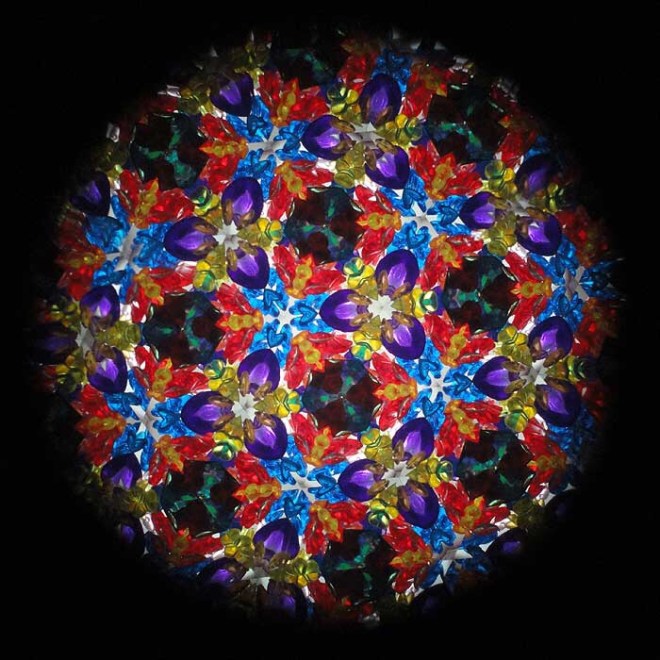 I don’t believe in fate—providence, if you will. If there is a plan, it does not proscribe outcomes. Rather we wander in and out of circumstances bumping into two sets of patterns—those we make out of our lives, and those that are beyond our immediate control. Life goes out of balance when we cannot get the two patterns to jibe—when we cannot reconcile ourselves to the patterns that exist. Out of balance we can neither accept what has happened in our lives or we cannot break those patterns and create new ones that are made from familiar pieces but reflect possibilities that we had not imagined. Out of balance we fight against the patterns that life provides, missing obvious signs (rising temperatures, repeated cruelties, even the tender messages of love) and careening against the walls of a maze that we cannot perceive and causing damage to ourselves and those around us.
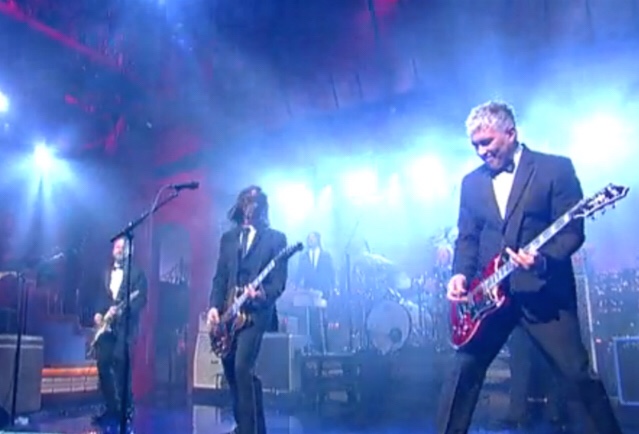 Play it loud.
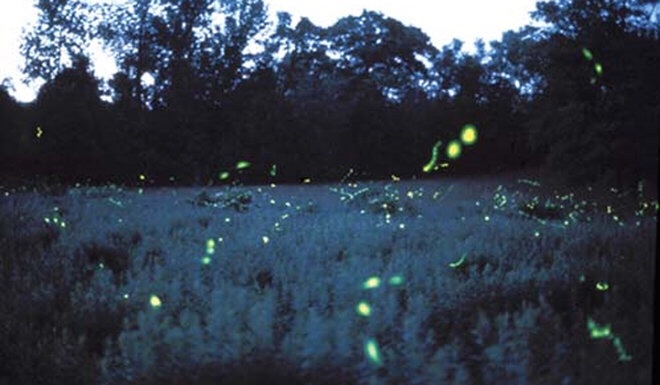 Where does sadness, the inexorable seriousness in my writing originate? My friends would tell you that I am puckish in real life—if anything, a bit too unrestrained. Why doesn’t that same sense of things stripe my writing? Why do I seem stuck hitting the same damn dour note?
 continuoussearch