 I was compiling blog posts today—why not a second book about writing and second chances? (Yes, but first things first)—and realized that I had written over 60,000 words in two directions since the beginning of September. While working at a new job. While beginning a new relationship.
That is more, by no small amount, than I wrote in any year I was in graduate school, when all I had to do was read and write.
When I saw that number today, I was in a room with a friend at school, and nearly broke into tears. I don’t know why it took so long, but there it is.
I don’t know why the shell had not broken open before. No novel came while I was getting my PhD in Creative Writing. I received crazy kudos from some of my academic professors about my critical work—but I knew that wasn’t what I wanted. I knew the successes would have been too tempting. I would have been a writer manqué. The worst. So I struggled and struggled. And struggled.
I always wrote, frustratingly, stupidly at times. There was never a period of time when it stopped entirely, but it all felt like awfulness. I was ashamed of my work. It stank. No one could convince me otherwise. I hated that feeling, and hated how it conflicted with the desire, the call, I felt daily.
And then, when I went to China to adopt my daughter, that shame abated. About many things. Over the next several years, culminating with this one, I found my way back. It was hard earned. I stopped listening to old demons, stopped worrying about quality (though good things were happening), and stopped waiting. It wasn’t a smooth restart, but it got me here, and to what has happened over the past several months.
I have not started writing for you, dear reader, though I love it when the few of who do, do read my work. Those flags from many nations delight me. I like that you have been here while this has happened. I enjoy sharing my exhilaration with someone. I have tried to talk to my best friend about it, but he’s in the “don’t tell me” camp of writers. I’ve shared with a few others, but it has been nice to share with you.
This is my chance. I know it. I know all the costs and weight of regret and everything else that goes with it. I was a “happy enough” man for ages, and always felt the horrible gnawing of unfulfillment. I took the first full strides back to my work a year ago, and have spent much of this year falling back in love with myself. Somehow, this love freed me to be myself again, and in some ways, for the first time.
Yes, dear reader, I have regrets, but I cannot dwell in that space. I have to look to my future and embrace it. That is all there is, the only way I can live now. I know the other paths, and they are death. I will not go there again.
This way. Forward.
 The impulse is to judge, and then to correct. Don’t do that, do this. Or at the very least, Don’t do that.

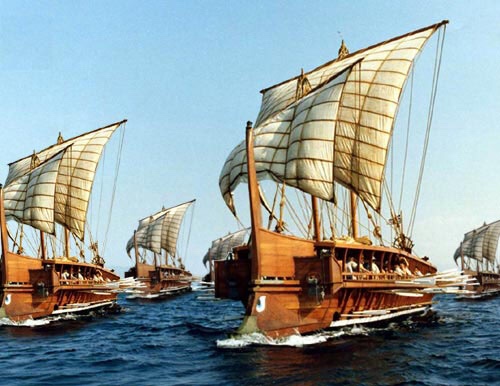
 Sing in me muse, and through me tell the story…
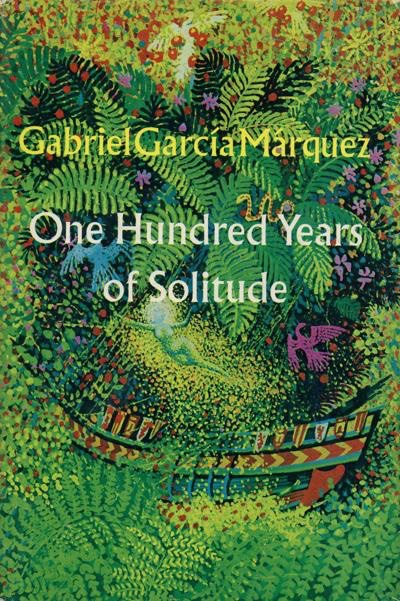 Even Gabriel Garcia Marquez, perhaps somewhat disingenuously, claimed that all the impossible elements of One Hundred Years of Solitude were true. His memoir, Living to Tell the Tale, reads like a revelation, and it makes all that seemed strange in his novel strangely normal—at least for that time and place. Of course, Marquez famously recounts the genesis of that novel—he was headed away on vacation with his family when he realized that the voice of the book was the voice of his grandmother telling incredible stories in the most matter-of-fact voice. He turned the car around and started the work that would define him as a writer. His grandmother was, in a way, his muse.
 While the writer uncovers the words that capture this world, she or he enters the world, and if the writer believes the words—and she must! he must!—then the inner world threatens to obliterate the outer one. After all, there is something about that outer world that the writer seeks to correct. The ghosts visit and Scrooge reforms—is literally made into someone new. This is the world that should be—where a miserly and selfish investor can become “as good a friend, as good a master, and as good a man, as the good old city knew, or any other good old city, town, or borough, in the good old world.”
 This past December, I traveled to a new place, London, to which I had meant to travel almost thirty years ago. I traveled after I did a series of new things, each one satisfying, but each fueling a desire for more. Almost everything that has been part of the solid ritual of my daily routine tastes bland. I don’t hanker for extremes—a solo sailing venture around the world, or an ascent up some foreboding mountain, or a year in a seraglio—I yearn to encounter something as if for the first time. I wish to be a beginner again, with a clean slate ahead of me.
 The thing about writing that some people will never understand is that for the writer, it is not cerebral. Writing is physical. I feel exhausted, physically spent, after writing. Not exactly the same as after a work out, or after a night of intimacy, but I will push myself until my body shakes. I stop when I am done, when I have hit a physical limit. I do not believe that people who do not write, seriously write, understand this.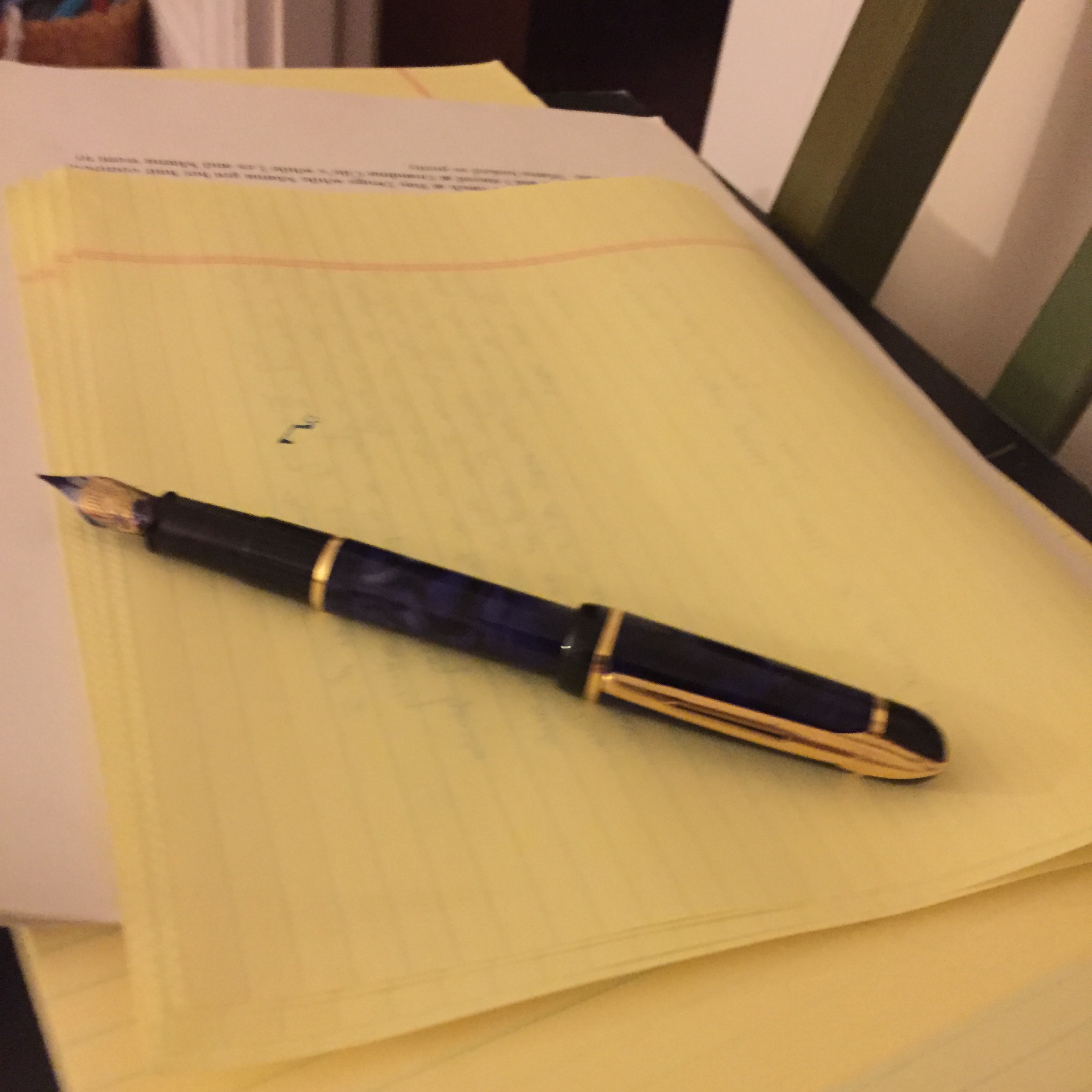

 continuoussearch